How to choose between tankless and traditional water heaters
Deciding between tankless and traditional water heaters? This guide helps Houston homeowners understand the differences and make an informed choice.
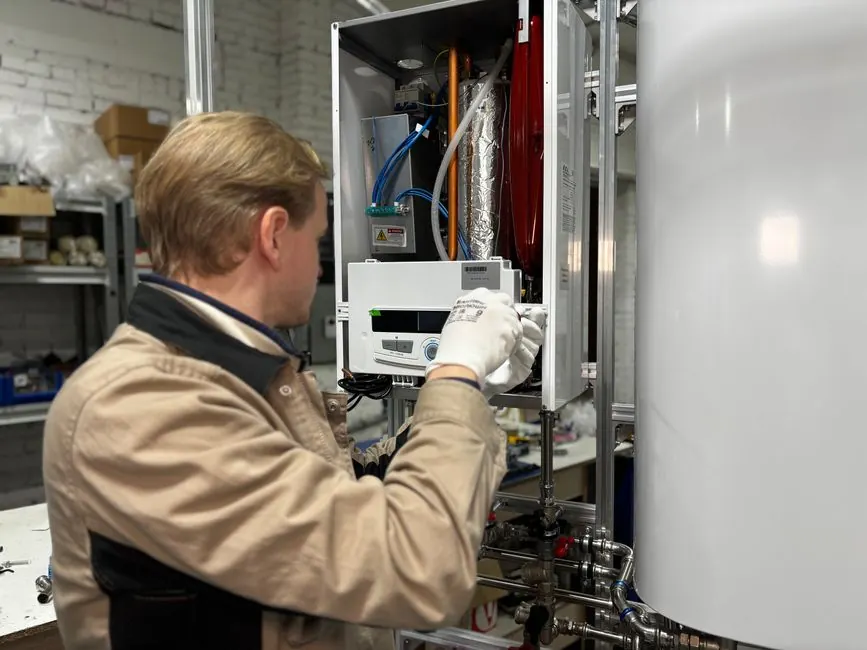
A tankless water heater heats water on demand, while a traditional water heater stores hot water in a tank. Understanding the differences between these systems can help you make an informed choice for your Houston home.
This article will cover what each type of water heater is, their costs, benefits, and common mistakes to avoid. By the end, you'll have a clearer idea of which option suits your needs.
What is a water heater?
A water heater is a device that heats water for various domestic purposes, such as bathing, cooking, and cleaning. Homeowners in Houston typically rely on either tankless or traditional water heaters to meet their hot water needs.
What are tankless water heaters?
Tankless water heaters, also known as on-demand water heaters, heat water directly without the use of a storage tank. They provide hot water only as needed, which can lead to significant energy savings. In Houston, tankless systems are gaining popularity due to their efficiency and ability to provide a continuous supply of hot water.
What are traditional water heaters?
Traditional water heaters, or storage water heaters, store a predetermined amount of hot water in a tank. This type of heater is widely used in many homes across Houston. The tank size typically ranges from 20 to 80 gallons, depending on the household's hot water demand.
Tankless vs. traditional: What are the costs?
In 2026, the average cost of a traditional water heater installation in Houston ranges from $800 to $1,500, including the unit and labor. In contrast, installing a tankless water heater can cost between $1,500 and $3,000. While tankless systems have a higher upfront cost, they often lead to lower energy bills over time.
Tankless vs. traditional: What are the benefits?
Tankless water heaters offer several advantages, including:
- Energy efficiency: They only heat water when needed, reducing energy consumption.
- Longevity: Tankless systems typically last longer than traditional heaters, often exceeding 20 years with proper maintenance.
- Space-saving: The compact design allows for installation in smaller areas.
Traditional water heaters, however, also have their benefits:
- Lower initial costs: They are generally cheaper to purchase and install.
- Immediate hot water: They provide hot water instantly from the tank.
- Less complex installation: They usually require less modification to existing plumbing.
Common mistakes when choosing a water heater
Choosing the wrong water heater can lead to inefficiencies and increased costs. Common mistakes include:
- Not considering household size: A larger family may require a tankless system to meet demand.
- Ignoring energy efficiency ratings: Look for ENERGY STAR certified models to save on utility bills.
- Overlooking installation costs: Ensure you factor in installation when budgeting for your new water heater.
When to call a professional
If you're unsure about which water heater to choose or need help with installation, contacting a professional is advisable. Houston Water Heater Pros can assist you in selecting the right system for your home and provide expert installation services.
Frequently Asked Questions
1. How long do tankless water heaters last? Tankless water heaters can last over 20 years with proper maintenance, compared to 10-15 years for traditional models.
2. Are tankless water heaters worth the investment? Yes, they can save you money on energy bills and provide endless hot water, making them a worthwhile investment for many homeowners.
3. What size tankless water heater do I need? The size depends on your household's peak hot water demand. A professional can help you determine the right size.
4. Can I install a tankless water heater myself? It's recommended to hire a professional for installation to ensure safety and compliance with local codes.
5. How often should I maintain my water heater? Regular maintenance is recommended at least once a year to ensure optimal performance and longevity.