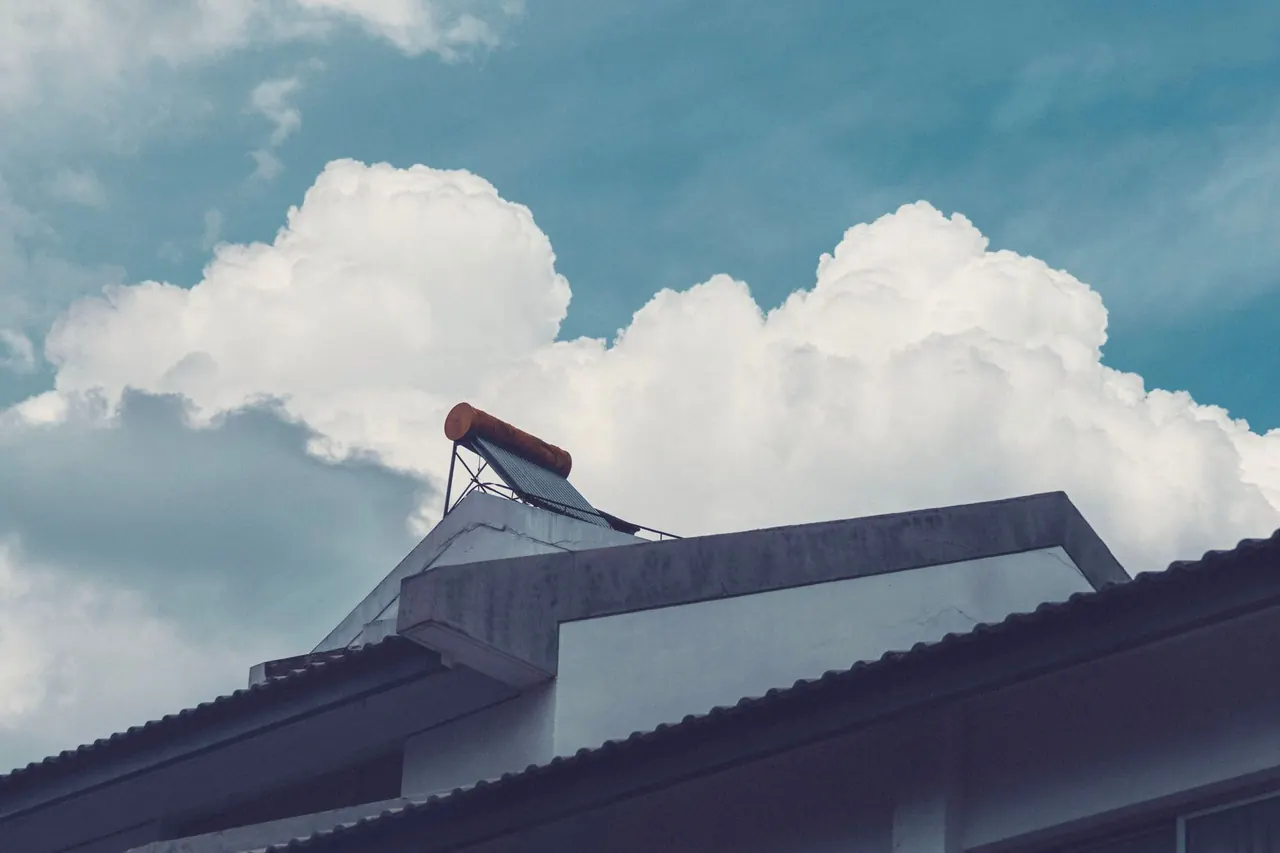
What to do if your water heater is leaking
Discover the steps to take if your water heater is leaking, including troubleshooting and when to call professionals in Houston.
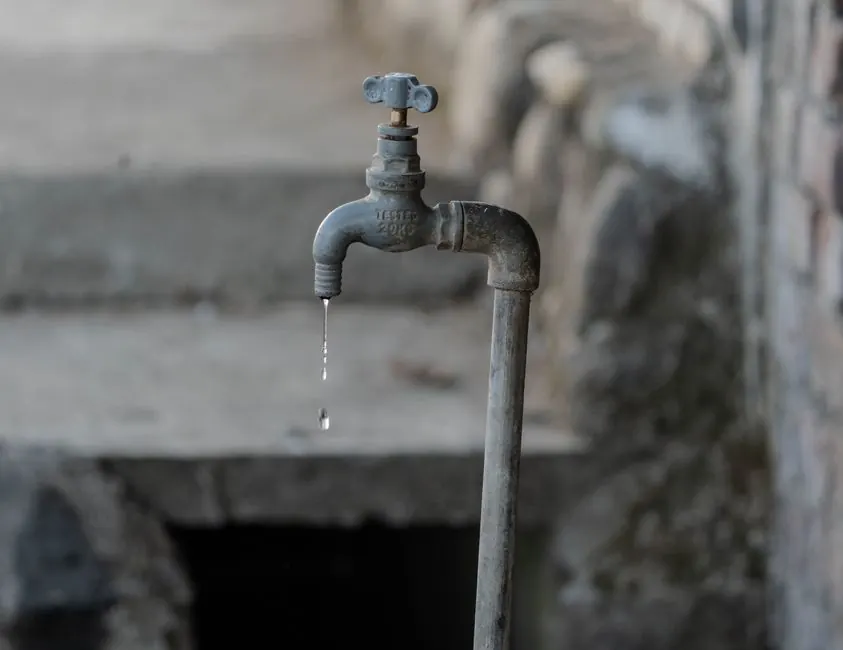
If your water heater is leaking, the first steps are to turn off the power and water supply to prevent further damage. This article will guide you through troubleshooting, identifying the leak's source, and knowing when to call for professional help in Houston.
A leaking water heater is a common issue that requires immediate attention to avoid extensive property damage. Leaks can stem from various sources, and understanding the problem is crucial for effective resolution.
What to do immediately
When you discover a leak, your first action should be to turn off the water supply to the heater. Locate the shut-off valve, typically found on the cold water line leading to the heater, and turn it clockwise to stop the water flow. Next, if you have an electric water heater, switch off the power at the circuit breaker. For gas heaters, turn the thermostat to the "pilot" setting to prevent any gas-related hazards.
Identifying the source of the leak
Identifying the source of the leak can help you determine the best course of action. Common areas to check include:
- Connections and fittings
- The tank itself
- Drain valve
- Temperature and pressure relief valve
Inspecting these areas can often reveal whether the leak is due to a loose connection, corrosion, or a faulty component. For example, a loose drain valve can often be tightened, while a corroded tank may require replacement.
Common causes of water heater leaks
Several factors can lead to a leaking water heater:
- Corrosion: Over time, the tank can corrode, especially in older models. This is prevalent in areas with hard water, which can accelerate rusting.
- Loose connections: Fittings and connections can become loose, causing water to escape. Regular maintenance can help prevent this issue.
- Temperature and pressure relief valve failure: This valve is designed to release excess pressure. If it fails, it can lead to leaks.
- Drain valve issues: If the drain valve is damaged or not tightly closed, it can cause leaks.
Understanding these causes can help you address issues before they escalate. For example, regular maintenance and inspections can catch potential problems early, reducing the risk of leaks.
What to watch out for
While some leaks may be minor, others can indicate a more serious problem. Watch out for:
- Increased water pooling around the heater
- Rusty water or discoloration
- Unusual noises from the heater
- Low water pressure
If you notice any of these signs, it's essential to act quickly. Water pooling can lead to significant damage to your flooring and walls, which can be costly to repair.
When to call a professional
Knowing when to call a professional can save you time and money. If you've tightened connections and checked valves but the leak persists, it's time to contact a specialist. Additionally, if you suspect your tank is corroded or if the leak is substantial, professional help is crucial. Houston Water Heater Pros offers expert services to diagnose and repair your water heater issues efficiently.
Frequently Asked Questions
1. How much does it cost to repair a leaking water heater? Repair costs can range from $150 to $500, depending on the issue's complexity and parts needed.
2. Can I fix a leaking water heater myself? Minor leaks from fittings can often be tightened, but significant leaks or tank issues typically require professional intervention.
3. How long does a water heater last? On average, a water heater lasts about 8 to 12 years, depending on maintenance and water quality.
4. What should I do if my water heater is leaking from the bottom? If the leak is from the bottom, it could indicate a tank failure. Turn off the water supply and call a professional immediately.
5. How can I prevent my water heater from leaking? Regular maintenance, including flushing the tank and checking valves, can help prevent leaks.